
Commercial Roofing Costs: Factors Influencing Your Building’s Roof Project
Selecting a commercial roofing project involves many variables that affect the final price. Building owners and managers need to understand these elements to budget effectively and make informed decisions about their property’s most crucial protective layer. This guide explores the primary drivers of cost for commercial roofing work, ensuring you know what to expect when seeking services for your facility.
Key points
- Roofing material choice is a primary cost driver, with options ranging from cost-effective membranes to durable metal systems.
- The project’s scope, including size, existing condition, and necessary structural work, heavily influences total expenses.
- Skilled labor and contractor expertise represent a significant portion of the cost, reflecting quality and long-term value.
- Building type and unique architectural features can add complexity and therefore cost to roofing projects.
- Ancillary costs such as permits, site preparation, and waste disposal should be factored into the overall budget.
Roofing Materials: The Foundation of Cost
The type of roofing material chosen is a significant cost determinant. Different materials offer varying levels of durability, longevity, and installation complexity, all of which translate into price differences. For instance, single-ply membranes like TPO or EPDM are often cost-effective and suitable for many flat or low-slope roofs found on office buildings and shopping centers. Modified bitumen provides a robust, multi-layer system that can be more expensive but offers enhanced protection. Metal roofing systems, known for their longevity and resistance to the elements, typically come with a higher upfront investment. The specific brand and quality of the chosen material also play a role; premium products may cost more but often provide superior performance and a longer lifespan, potentially reducing long-term expenses. Understanding the trade-offs between initial cost, expected lifespan, and performance is essential when evaluating roofing material options for any commercial structure, including an apartment complex or a hospital.
Scope of Work and Project Complexity
The extent of the roofing project itself directly impacts the overall expense. A simple repair for minor water damage on a commercial roof will naturally cost less than a complete roof replacement for an entire school or hotel. Factors contributing to complexity include the size of the roof area, the roof’s existing condition, and any necessary structural repairs or upgrades. For example, addressing significant structural issues beneath the roofing membrane requires additional labor and materials. If a roof has been neglected, the removal of multiple old layers can add considerable time and cost. Furthermore, projects requiring specialized techniques, such as custom flashing details or integrating complex drainage systems, will command higher labor costs. Emergency commercial roofing services, often needed due to unforeseen damage, may also incur premium pricing due to the urgency and the need for immediate response, potentially involving temporary measures to prevent further water damage.
Labor Costs and Contractor Expertise
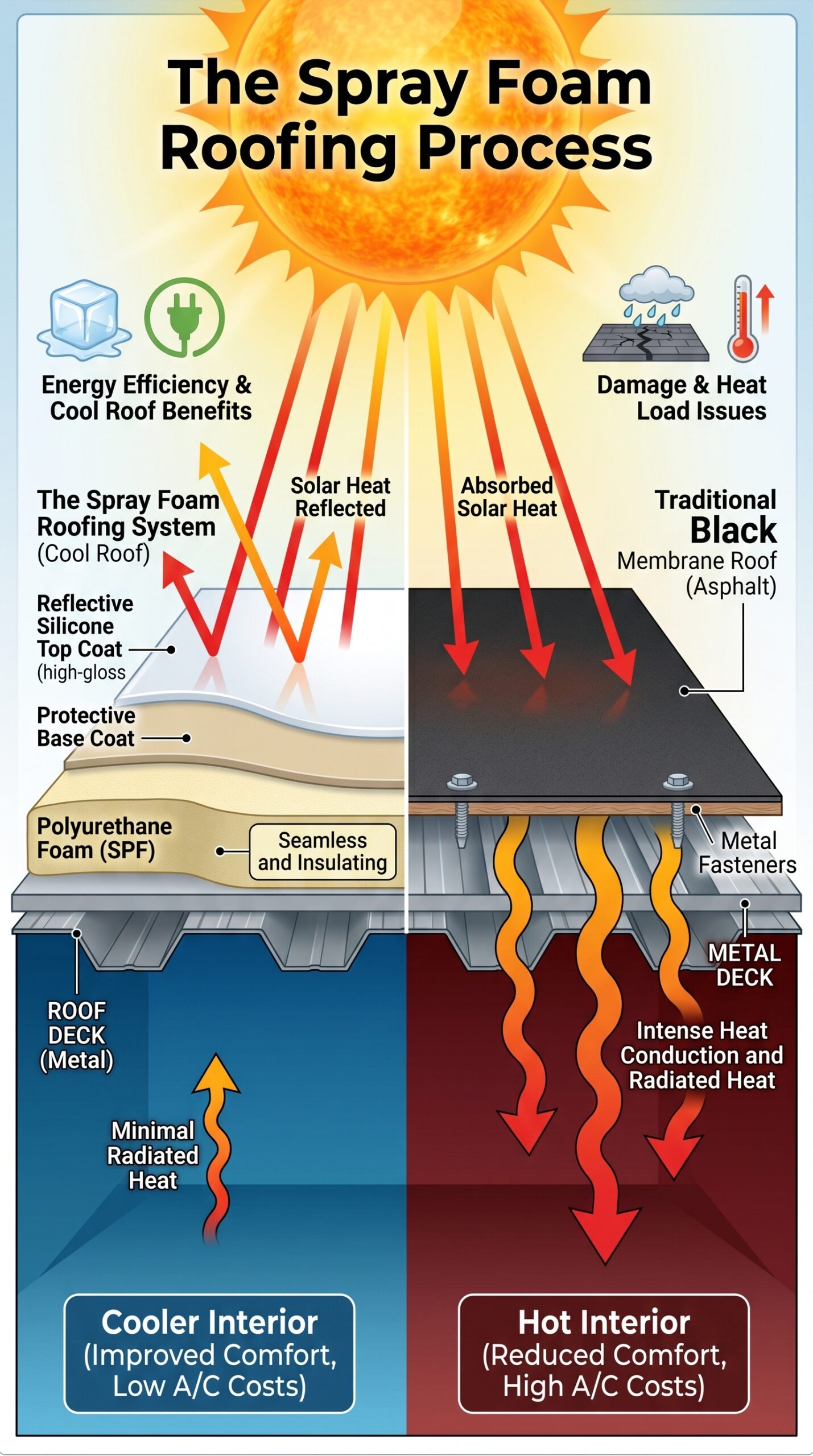
Labor is a substantial component of any commercial roofing project. The rates charged by a skilled School Roofing Contractor, Hospital Roofing Contractor, or any specialized commercial roofing professional reflect their experience, training, and the overhead associated with running a reputable business. Factors influencing labor costs include the prevailing wage rates in the region, the complexity of the installation or repair, and the duration of the project. Experienced contractors often have higher hourly rates, but their efficiency and expertise can lead to a better-quality installation, fewer callbacks, and a longer-lasting roof, ultimately providing better value. The level of specialization is also a factor; a contractor experienced with specific systems, like spray polyurethane roofing, may have different pricing than one focused on more traditional methods. Always consider the contractor’s reputation, licensing, insurance, and warranty offerings when evaluating labor costs.
Building Type and Architectural Features
The specific type of building and its unique architectural characteristics can influence roofing costs. For instance, an apartment complex may have multiple roof levels or varied rooflines, increasing installation complexity compared to a single-story office building. Large, expansive roofs on a shopping center or warehouse require different logistical considerations and potentially more specialized equipment. Historic buildings often present unique challenges, demanding specific materials and techniques to maintain architectural integrity, which can drive up costs. Similarly, buildings with numerous penetrations, such as HVAC units, skylights, or vents, require more detailed work and specialized flashing, adding to the labor and material expenses. A Hotel Roofing Contractor will encounter different design elements than a contractor working on an industrial facility, each with its own cost implications.
Ancillary Services and Additional Considerations
Beyond the primary roofing work, several ancillary services and considerations can affect the total project cost. These might include the cost of permits, which vary by local jurisdiction. Site preparation, such as protecting landscaping or ensuring proper access for materials and equipment, also adds to the expense. Waste disposal and the removal of old roofing materials are standard components of a roofing project’s cost. If the project involves specialized coatings for enhanced protection, like reflective or energy-efficient options, these will represent an additional material and application cost. For buildings prone to leaks, addressing water damage on a commercial roof might involve interior repairs to ceilings or walls, which would be a separate cost consideration. Planning for these additional elements ensures a more accurate overall budget for your commercial roofing needs.
Common questions
What are the main factors that influence the cost of commercial roofing?
The main factors influencing commercial roofing costs are the type and quality of roofing materials selected, the overall scope and complexity of the project, the labor rates and expertise of the roofing contractor, the specific type of building and its architectural features, and any additional services required like permits or specialized coatings.
How does the size of a commercial building affect roofing costs?
The size of a commercial building directly impacts roofing costs because larger areas require more materials and more labor hours for installation or repair. Larger projects also may involve more complex logistics for material delivery and staging.
Are emergency roof repairs more expensive for commercial properties?
Yes, emergency roof repairs for commercial properties are often more expensive due to the urgency involved. Contractors may charge a premium for immediate dispatch, after-hours work, and the need to quickly implement temporary solutions to prevent further damage.
What is the difference in cost between repairing and replacing a commercial roof?
Replacing a commercial roof is significantly more expensive than repairing it, as it involves the complete removal of the old system and installation of a new one. Repairs are typically for localized issues like minor leaks or damage, while replacement is for roofs that have reached the end of their lifespan or have extensive damage.