Pompano Beach Commercial Roofs: Preparing for and Recovering from Storm Damage
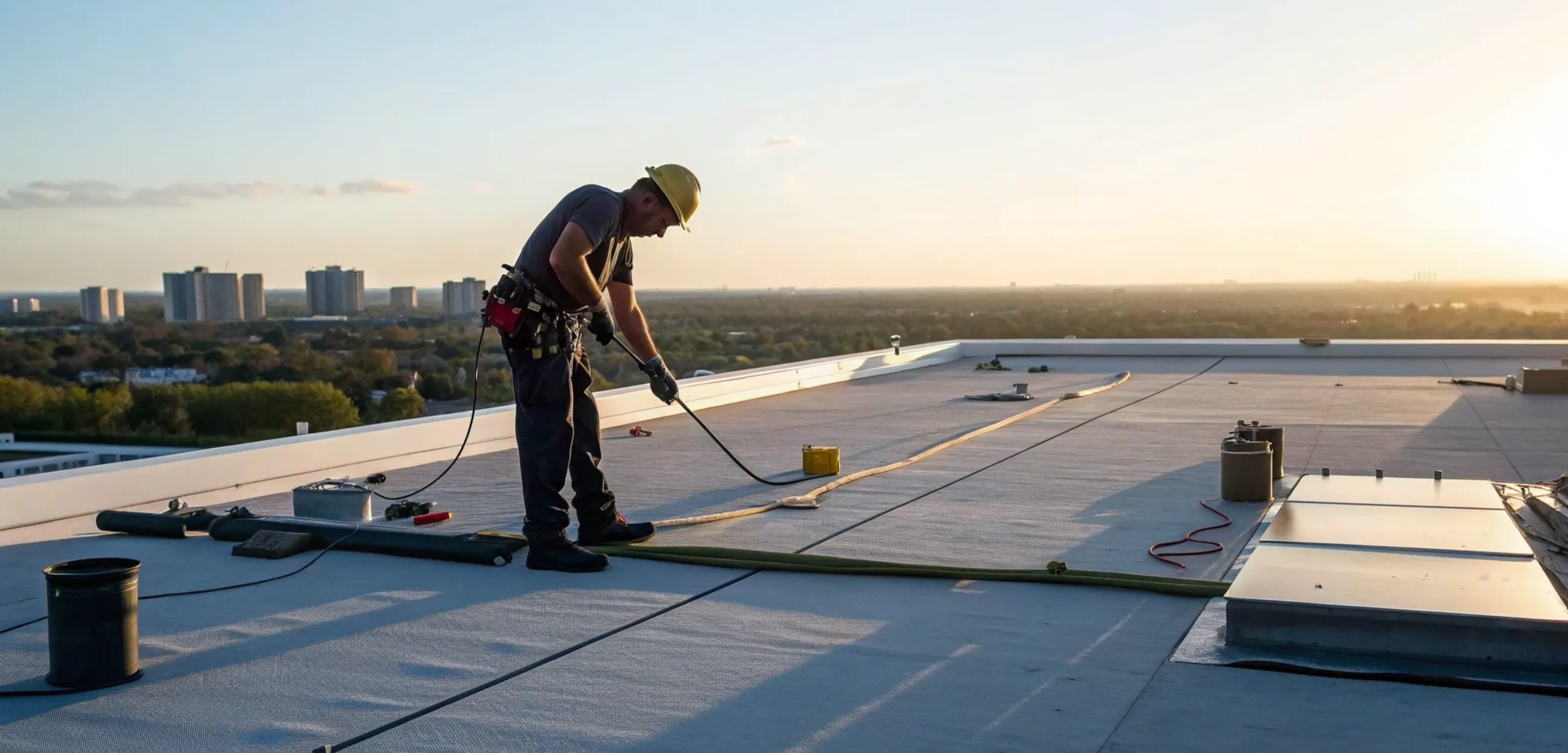
Recent weather patterns, including rising storm chances and potential tropical activity, highlight the importance of commercial roof preparedness in Pompano Beach. Understanding how to respond to water damage and potential structural issues can save your business significant time and money.
Documenting Storm Damage for Insurance Claims
When storms impact your commercial property, thorough documentation is crucial for a successful insurance claim. Immediately after damage occurs, take detailed photographs and videos of the affected areas. This includes the exterior of the roof, any visible damage like missing shingles or membrane tears, and interior water intrusion points. Note the date and time of each observation. Create a comprehensive list of all damaged items and potential repair costs. Keep all receipts for any temporary repairs or emergency services you undertake. Your insurance policy likely has specific requirements for reporting damage, so review it promptly and notify your provider as soon as possible. For larger structures like an apartment complex roofing contractor or an office building roofing contractor might be needed to assess and document damage accurately. Similarly, a shopping center roofing assessment or an industrial roof leak repair evaluation requires detailed records.
The Critical 48-Hour Drying Window
After water damage, especially from heavy rain or flooding, drying out affected materials within 48 hours is essential to prevent further deterioration and mold growth. For commercial buildings, this means acting swiftly to remove standing water. This can involve specialized equipment for large areas or prompt attention to leaks. Porous materials, such as insulation, drywall, and wood, absorb moisture readily. If not dried quickly and thoroughly, they can become breeding grounds for mold, which poses health risks and can compromise structural integrity. Consider engaging a professional water damage restoration service that specializes in commercial properties. They have the expertise and equipment to manage large-scale drying operations efficiently. For facilities like a hotel roofing contractor or a hospital roofing contractor, minimizing downtime and ensuring a safe environment are paramount, making rapid drying a top priority.
Structural Inspections After Storm Events
Beyond immediate water damage, severe weather can compromise the structural integrity of your commercial roof. It is vital to inspect for signs of stress or damage that may not be immediately apparent. Look for sagging in the roof deck, cracks in the fascia or soffit, and signs of water pooling that indicate drainage issues. Damaged or dislodged roof fasteners can also be a concern. Persistent leaks, even small ones, should be treated as urgent commercial roof repair needs, as they often signal underlying problems. If you suspect structural compromise, do not delay seeking professional help. An experienced commercial roof leak repair specialist or an emergency commercial roofing contractor can conduct a thorough inspection to identify potential hazards before they lead to catastrophic failure. This proactive approach is especially important for large or complex roofs, such as those found on apartment complexes, hotels, or industrial facilities, where a structural failure could have widespread consequences.
Key takeaways
- Document all storm damage with photos, videos, and detailed notes for insurance claims.
- Initiate drying of water-damaged materials within 48 hours to prevent mold and further damage.
- Conduct regular structural inspections of your commercial roof, especially after severe weather.
- Address all leaks promptly, as they can indicate serious structural concerns.
- Consider professional assessments for apartment complex roofing, hospital roofing, hotel roofing, office building roofing, shopping center roofing, and industrial roof leak repair.
Frequently asked questions
What should I do first after discovering roof damage?
The first step is to document the damage thoroughly with photos and videos from various angles, both inside and outside your building.
How quickly do I need to dry out water-damaged areas?
It is critical to begin drying affected materials within 48 hours to prevent mold growth and further structural damage.
When should I call a roofing professional for a leak?
You should call a professional for any roof leak, especially a flat roof leaking repair, as even minor leaks can indicate significant underlying issues that require urgent commercial roof repair.
What are the signs of structural damage to my roof?
Signs of structural damage include sagging roof decks, cracks in building components, and persistent leaks that suggest compromised integrity.
Sources
- Orlando weather: Storm chances rise, heavy rain ahead this week – FOX 35 Orlando
- Quiet hurricane season gets a possible new player in the Gulf – Florida Politics