

Choosing a Hospital Roofing Contractor in Pompano Beach: Ensuring Long-Term Facility Health
A building’s roof is its first line of defense against the elements. For a hospital, this protection is not just about structural integrity; it’s about safeguarding patient care, sensitive equipment, and critical operations. Choosing a specialized hospital roofing contractor in Pompano Beach requires a different approach than selecting a contractor for a residential or even a standard commercial property. The stakes are higher, and the demands on the roofing system are unique. This guide outlines the essential factors to consider when making this crucial decision, focusing on long-term reliability and minimal disruption.
Key points
- Prioritize contractors with specific experience in hospital roofing projects.
- Understand the unique operational demands and sensitivities of healthcare facilities.
- Evaluate roofing systems for durability, waterproofing, and compatibility with hospital infrastructure.
- Ensure the contractor offers rapid response for urgent roof repairs and preventative maintenance.
- Focus on long-term solutions and comprehensive warranties for a secure investment.
The Unique Demands of Hospital Roofing
Hospitals operate 24/7, 365 days a year. Any roofing work must be planned and executed with extreme care to avoid interrupting essential services like HVAC systems, power, and patient care areas. Water intrusion can have severe consequences, risking damage to expensive medical equipment, compromising sterile environments, and potentially impacting patient health. A hospital roofing contractor must understand these sensitivities. This includes familiarity with specialized hospital building codes, stringent infection control protocols during construction, and the need for advanced, durable roofing materials that can withstand Pompano Beach’s climate, including heavy rains and intense sun.
Experience and Specialization Matter
When looking for a hospital roofing contractor, experience is paramount. Seek out firms that have a proven track record specifically with healthcare facilities. This specialization often means they are equipped to handle the complex logistics of working on an active hospital campus. They will understand the importance of phased project execution, noise mitigation, and securing work areas to maintain a safe and sterile environment. Ask for references from other hospitals they have served. Inquire about their experience with various roofing systems suitable for healthcare settings, such as high-performance single-ply membranes or advanced coating systems designed for longevity and resistance to water damage.
Understanding Roofing Systems for Healthcare
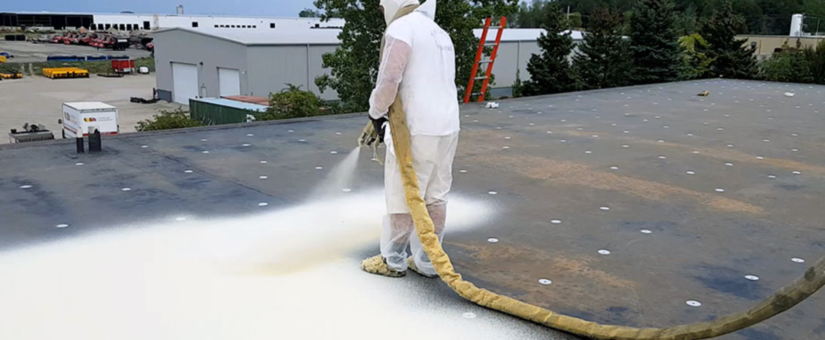
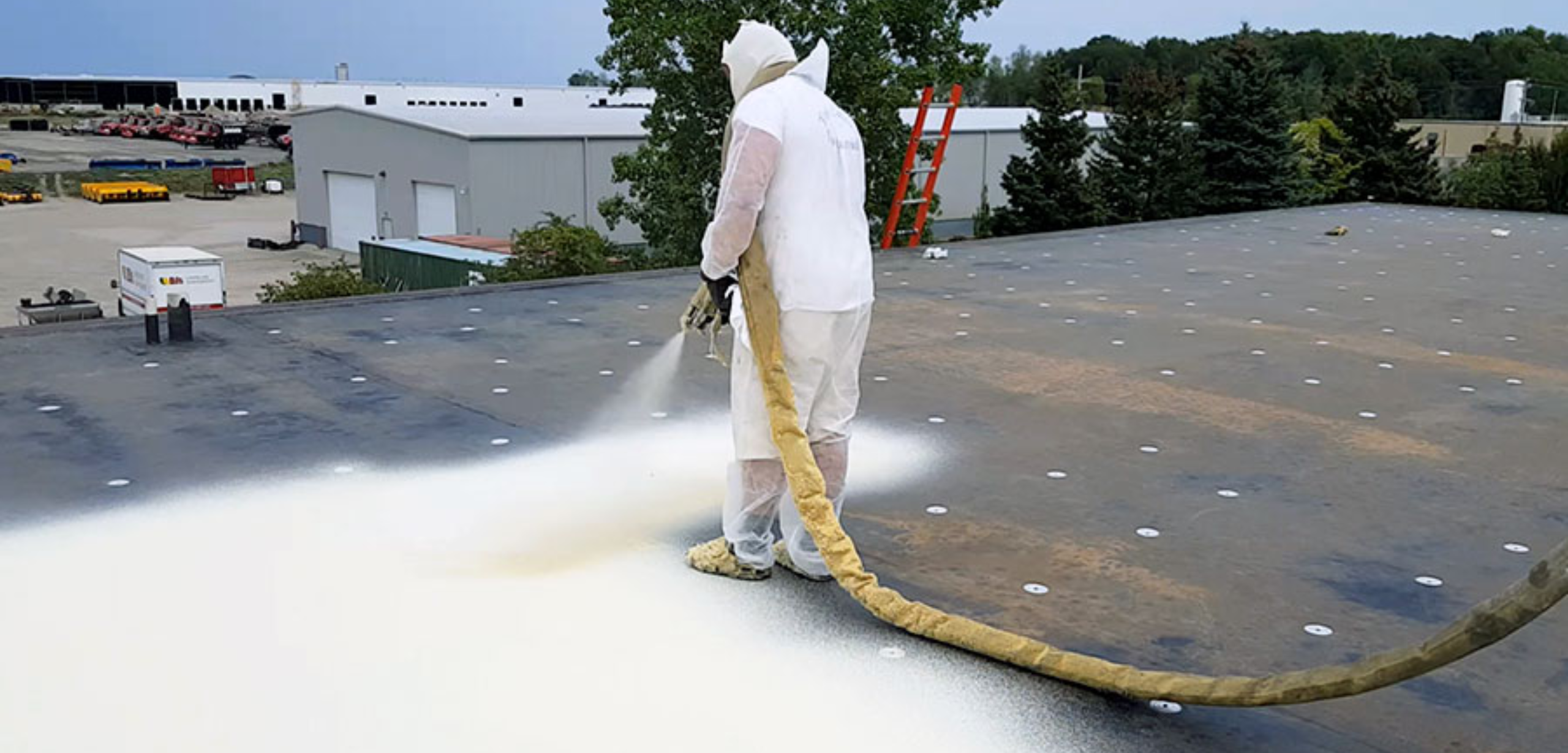
Different roofing systems offer varying levels of performance and suitability for hospital environments. For flat or low-slope roofs, which are common on hospitals, options like TPO, EPDM, or PVC membranes are frequently used due to their durability and weather resistance. These materials can provide excellent waterproofing. Another consideration is the application of specialized roof coatings. These can extend the life of an existing roof, enhance its reflective properties to reduce energy costs, and provide an additional layer of protection against water damage. A knowledgeable hospital roofing contractor will assess your building’s specific needs, budget, and climate factors to recommend the most appropriate system. They should also be adept at identifying and addressing potential issues like ponding water or wear and tear from foot traffic on accessible roof areas.
Planning for Repairs and Emergencies
Even with a robust roofing system, unexpected issues can arise. Finding a contractor who offers urgent commercial roof repair services is essential for any hospital. This means they have a rapid response team available to address leaks or damage promptly. A proactive approach to maintenance can prevent minor issues from escalating into major problems. Regular roof inspections by a qualified professional can identify potential weaknesses before they cause significant damage. This foresight is crucial for hospitals where downtime and disruption are unacceptable. When selecting a contractor, discuss their emergency protocols and availability. Do they offer preventative maintenance plans tailored for large commercial facilities like hospitals?
Beyond the Roof: Integration and Longevity
A hospital’s roofing system is not an isolated component. It must integrate seamlessly with the building’s overall infrastructure, particularly its HVAC and drainage systems. A good hospital roofing contractor will consider how their work impacts these other critical areas. They should also be focused on providing a long-term solution, not just a quick fix. This involves using high-quality materials, ensuring meticulous installation, and offering comprehensive warranties. Understanding the total cost of ownership, including maintenance and potential repair costs over the roof’s lifespan, is vital. A durable, well-maintained roof protects the hospital’s significant investment in its facility and ensures a safe environment for patients and staff for years to come.
Common questions
What makes a hospital roofing contractor different from others?
A hospital roofing contractor specializes in the unique demands of healthcare facilities, including 24/7 operations, strict infection control, and the need to avoid disrupting patient care. They possess experience with specialized building codes and sensitive environments.
Why is roof leak repair urgent for hospitals?
Urgent roof leak repair in hospitals is critical because water intrusion can damage expensive medical equipment, compromise sterile conditions, and potentially endanger patient health and safety.
What roofing systems are best for hospitals?
Best roofing systems for hospitals often include high-performance single-ply membranes like TPO, EPDM, or PVC, known for their durability and waterproofing. Advanced roof coatings can also enhance protection and energy efficiency.
How often should a hospital roof be inspected?
A hospital roof should be inspected regularly, typically at least twice a year, and after any significant weather events, by qualified professionals to identify and address potential issues proactively.