Pompano Beach Commercial Roofs: Post-Storm Documentation, Drying, and Structural Checks
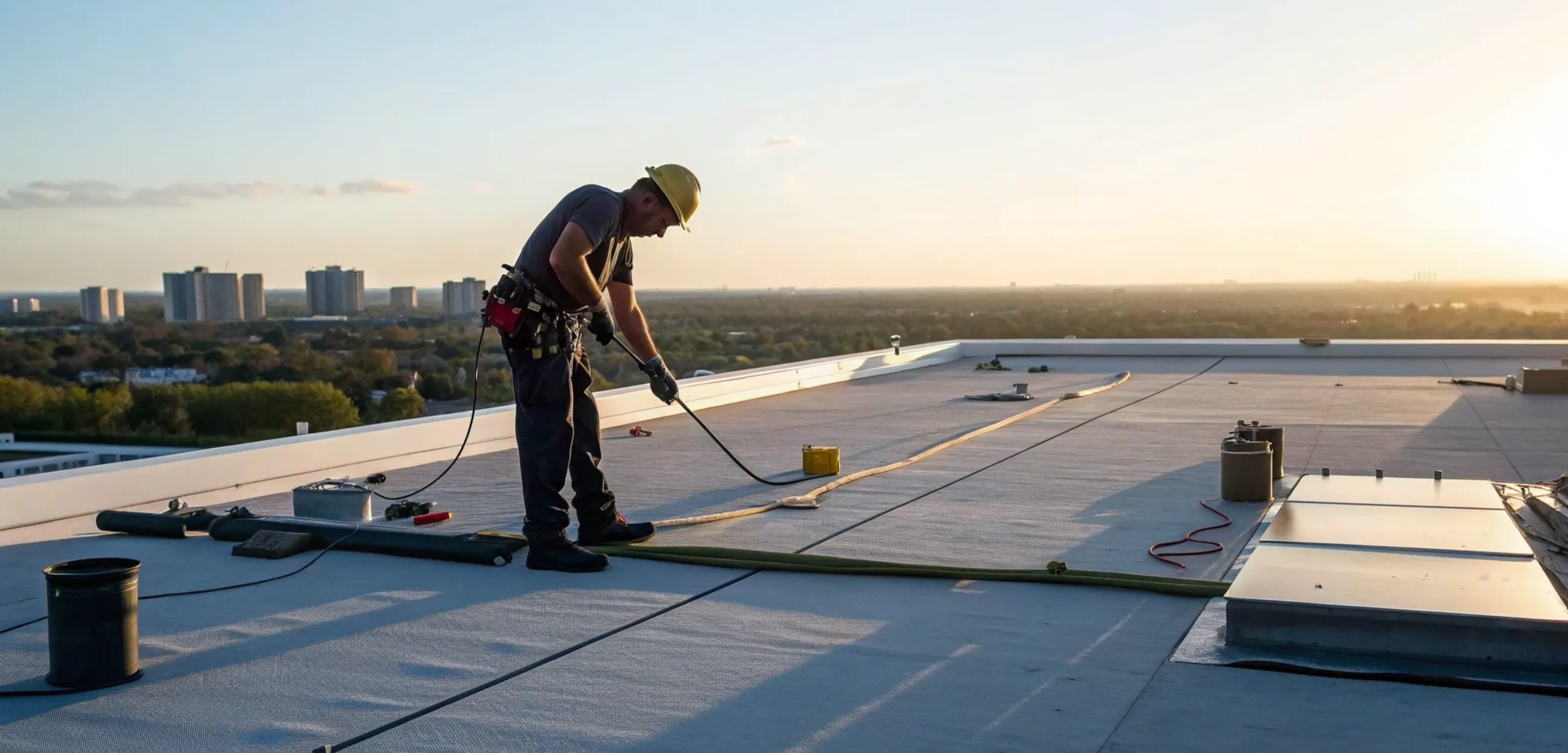
Recent weather events in Pompano Beach have highlighted the vulnerability of commercial properties to storm-related damage. Swift and informed action is essential for recovery. This guide focuses on critical steps for business owners and property managers to manage insurance claims, mitigate further damage through rapid drying, and identify potential structural concerns before they escalate.
Documenting Storm Damage for Insurance Claims
Following a significant weather event, meticulous documentation is paramount for a successful insurance claim. Begin by thoroughly inspecting your property's exterior, paying close attention to the roof and surrounding areas. Take numerous clear photographs and videos from various angles, capturing the extent of any visible damage. Document fallen debris, damaged gutters, and any water ingress observed inside the building. It is crucial to record the date and time of your inspections and damage observations. Keep detailed records of all communication with your insurance provider, including dates, times, names of representatives, and summaries of discussions. Retain all receipts for any temporary repairs or mitigation efforts undertaken to prevent further loss, as these may be reimbursable [news-1]. This comprehensive record-keeping provides a clear and verifiable account of the damage sustained, supporting your claim effectively.
The Critical 48-Hour Drying Window for Commercial Properties
Once water intrusion is identified, the clock starts ticking. Within 48 hours, affected areas of your commercial property must be thoroughly dried to prevent secondary damage, such as mold growth and material degradation. This urgency applies to structural components, insulation, and interior finishes. For roof systems, immediate attention is needed to halt leaks and prevent water from saturating underlying materials. Professionals equipped with specialized drying equipment, including high-speed air movers and dehumidifiers, are essential for efficient and complete moisture removal. Addressing water damage promptly not only mitigates the risk of mold proliferation, which can compromise air quality and building integrity, but also helps preserve the materials, potentially reducing the scope and cost of repairs.
Inspecting for Structural Compromise Post-Storm
Beyond visible surface damage, it's vital to inspect your commercial roof for signs of structural compromise, especially after severe weather like high winds or heavy rainfall. Look for sagging in the roof deck, which could indicate underlying structural failure or water saturation. Examine the integrity of the roof's edge metal, fascia, and coping, as damage here can compromise the entire system's stability. Pay attention to any new cracks or separations in the roof membrane, particularly on flat roof leaking repair scenarios. Unusual noises from the roof structure, such as creaking or popping, may signal stress. If you notice any of these indicators, it is imperative to seek professional assessment immediately. An experienced commercial roof leak repair specialist or an industrial roof leak repair expert can conduct a detailed structural evaluation to ensure the building's safety and prevent catastrophic failure. For larger facilities, such as an apartment complex roofing contractor or hospital roofing contractor, comprehensive inspections are non-negotiable.
Preventative Measures and Emergency Response
Proactive maintenance can significantly reduce the impact of storm damage. Regular inspections of your roofing system, particularly before and after known storm seasons, can identify minor issues before they become major problems. For businesses operating facilities like shopping centers or office buildings, establishing a relationship with a reliable commercial roofing contractor is prudent. This allows for quicker response times during emergencies. Understanding your insurance policy's coverage for water damage roof commercial and emergency commercial roofing services can also streamline the recovery process. In the event of an urgent situation, such as a significant flat roof leaking repair or industrial roof leak repair, engaging a professional for emergency commercial roofing services ensures that the issue is addressed with the necessary speed and expertise.
Key takeaways
- Thorough photographic and video documentation of storm damage is essential for insurance claims.
- Mitigate secondary damage by drying water-affected areas within 48 hours.
- Inspect commercial roofs for signs of structural compromise, such as sagging or cracking.
- Establish relationships with qualified commercial roofing contractors for prompt emergency services.
Frequently asked questions
What are the most important things to document for an insurance claim after a storm?
For an insurance claim, you must document all visible damage with photos and videos, record dates and times of observations and inspections, and keep detailed records of all communications with your insurance company and receipts for any temporary repairs made.
Why is it important to dry a commercial property within 48 hours after water damage?
Drying a commercial property within 48 hours is crucial to prevent secondary damage, most notably the growth of mold, which can compromise building materials and air quality, and to halt the degradation of structural components due to prolonged moisture exposure.
What signs indicate potential structural damage to a commercial roof after a storm?
Signs of potential structural damage include sagging roof decks, compromised edge metal or coping, new cracks in the roof membrane, and any unusual noises emanating from the roof structure. Professional inspection is recommended if any of these are observed.
Sources
- Hurricane Isaias: AAA Shares Insurance and Safety Tips – ACG AAA Newsroom