Commercial Roof Preparedness and Response for Pompano Beach Businesses After Storms
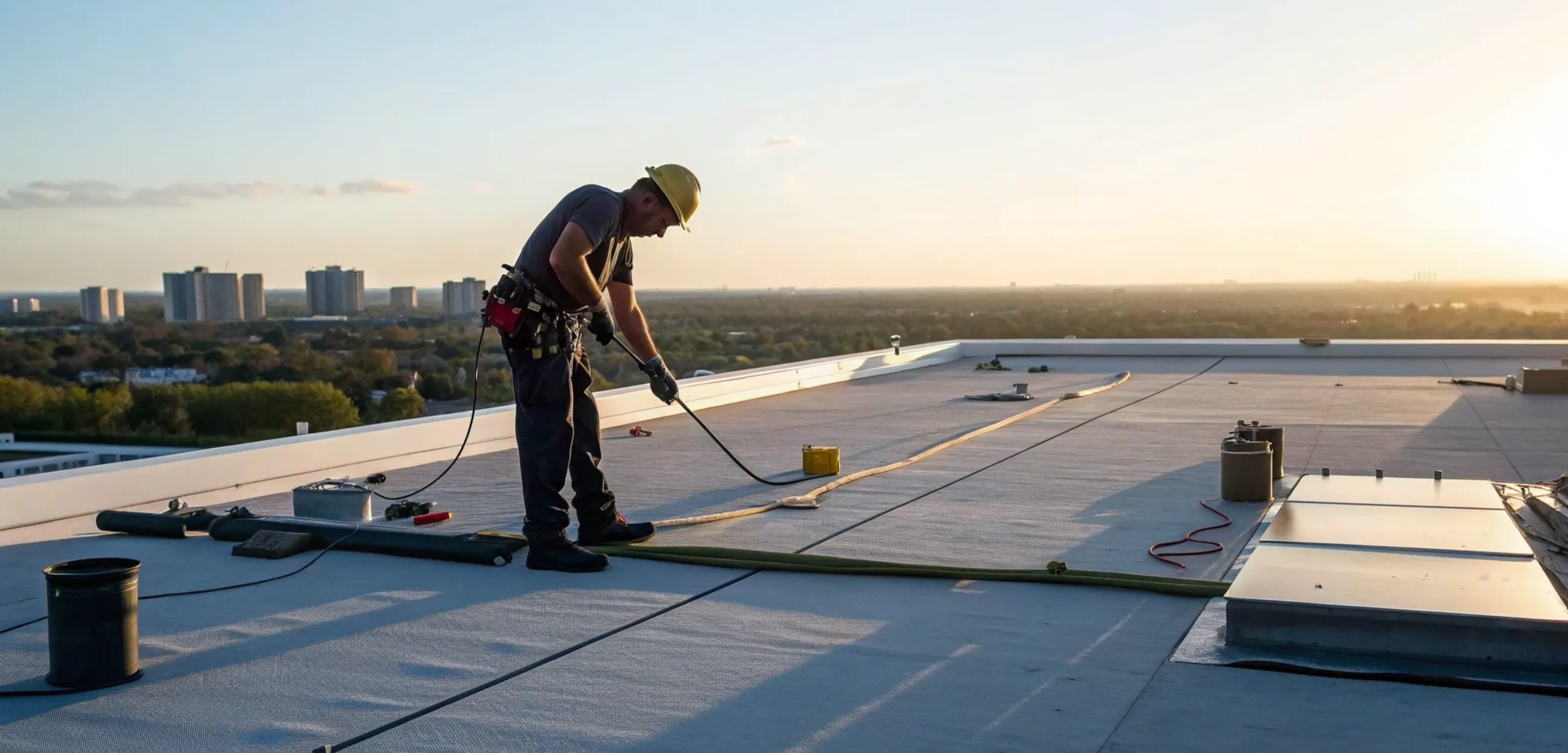
Recent weather events impacting the region serve as a critical reminder for Pompano Beach businesses to be proactive about their commercial roofing systems. Understanding what steps to take before, during, and after a storm can significantly impact recovery time and financial outcomes. This guide focuses on immediate actions for damage documentation, rapid drying, and proactive structural inspections.
Documenting Commercial Roof Damage for Insurance Claims
Following a significant weather event, thorough documentation is crucial for a successful insurance claim. Begin by taking detailed photographs and videos of any visible damage to your commercial roof. Capture close-ups of compromised areas, such as torn membranes, displaced shingles, or cracked flashing, as well as wider shots showing the overall condition of the roof. Note the date and time these initial observations were made. Create a detailed log of all damages observed, including their location on the roof. It is also important to document any interior water damage that may have resulted from roof leaks. This includes water stains on ceilings or walls, damaged insulation, or any affected inventory or equipment. Keep all receipts for any temporary repairs made to mitigate further damage, as these may be reimbursable. Promptly notify your insurance provider about the damage, providing them with the documentation you have gathered. Understanding your policy's specifics regarding deductibles and coverage limits is also a vital part of the claims process. For businesses that experienced significant water damage to their roof, seeking professional assessments can provide further evidence for your claim, particularly for complex systems like flat roofs [news-2].
The Critical 48-Hour Window for Drying Commercial Properties
After water intrusion, the race against time begins. Mold and mildew can start to grow on damp surfaces within 24 to 48 hours, especially in warm, humid environments like Pompano Beach. Addressing moisture immediately is essential to prevent secondary damage and maintain a healthy indoor environment. For commercial properties, this means focusing on drying out affected areas as quickly as possible. Inspect accessible areas for moisture, including attics, crawl spaces, and interior rooms beneath the roofline. Use industrial-strength dehumidifiers and air movers to accelerate the drying process. Ensure proper ventilation is maintained to remove moist air. If water has saturated insulation or drywall, these materials may need to be removed and replaced to ensure complete drying and prevent mold proliferation. For businesses with extensive water damage, professional water damage restoration services can deploy specialized equipment and expertise to manage the drying process effectively. Prompt action can prevent costly mold remediation and structural decay, particularly for building owners concerned about water damage roof commercial issues [news-2].
Inspecting for Structural Integrity After Storms
Beyond visible surface damage, it is imperative to assess the structural integrity of your commercial roof. High winds associated with storms can compromise the roof's supporting structure, leading to potential failures if left unaddressed. Look for signs of sagging in the roof deck, especially on flat roof systems. Inspect parapet walls and fascia for any detachment or damage that could indicate underlying structural stress. Pay attention to connections between different roofing components, such as at expansion joints or penetrations, as these are often points of weakness. If your building houses sensitive operations, such as a hospital or an apartment complex, even minor structural compromises can pose significant risks. For large or complex structures like shopping centers or office buildings, a professional inspection is highly recommended. Commercial roof leak repair and industrial roof leak repair should not only address the immediate leak but also investigate potential structural causes. An emergency commercial roofing assessment can identify issues before they escalate into larger, more dangerous problems. Proactive inspections can save businesses from extensive repair costs and potential business interruption [news-1].
Key takeaways
- Thorough photographic and video documentation is essential for insurance claims.
- Addressing moisture within 48 hours is critical to prevent mold and secondary damage.
- Post-storm roof inspections should extend beyond surface damage to assess structural integrity.
- Prompt notification of insurance providers and professional assessments can expedite the recovery process.
Frequently asked questions
What should I document for a commercial roof insurance claim after a storm?
You should document all visible damage with photographs and videos, create a detailed log of damages, and keep receipts for any temporary repairs. Promptly notify your insurance provider with this information.
What needs to be dried within 48 hours after water damage to my commercial property?
All areas affected by water intrusion need to be dried. This includes ceilings, walls, insulation, and any contaminated materials to prevent mold growth and further structural damage.
What should I inspect on my commercial roof before potential structural issues develop?
Inspect for sagging in the roof deck, damage to parapet walls, detachment of fascia, and compromised connections between roofing components. For significant concerns, engage a professional commercial roofing contractor.
Sources
- AAA Urges Tennesseans to Prepare Now for Hurricane Isaias Impacts – ACG AAA Newsroom
- Hurricane Isaias: AAA Shares Insurance and Safety Tips – ACG AAA Newsroom