What Flat Roofing Services for Commercial Buildings Entail | Cool Roofing
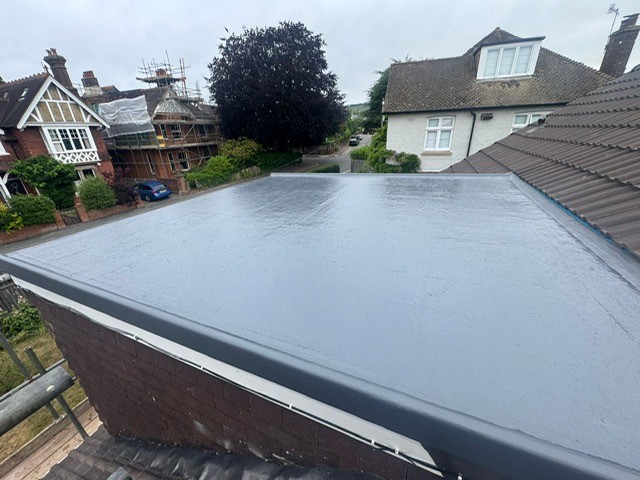
When you search for a ‘Flat Roofing Company Near Me,’ you’re looking for specialized expertise to protect commercial structures. Unlike residential roofs, commercial flat roofs present unique challenges and demand specific knowledge for installation, maintenance, and repair. These large, often low-slope or seemingly flat surfaces require robust systems designed to withstand significant weather exposure and heavy traffic. Understanding what these services involve is crucial for any building owner or manager responsible for such properties.
Key points
- Commercial flat roofing requires specialized expertise distinct from residential roofing.
- Services range from routine maintenance and urgent repairs to full installations and restorations.
- Material selection (EPDM, TPO, PVC, BUR, Modified Bitumen, SPF) is critical for performance.
- Proactive maintenance and regular inspections are key to extending roof lifespan and preventing costly issues.
- The decision to repair, restore, or replace depends on roof age, damage extent, and structural integrity.
The Scope of Commercial Flat Roofing
Commercial flat roofs cover a wide range of structures, from small office buildings to expansive shopping centers, hospitals, and apartment complexes. A professional flat roofing contractor understands the diverse needs of these varied environments. For a school roofing contractor, durability and minimal disruption to daily operations are paramount. A hospital roofing contractor must prioritize systems that prevent leaks, as water damage can be catastrophic for sensitive equipment and patient care areas. Hotels and apartment complexes require aesthetic considerations alongside functional performance, ensuring both occupant comfort and property value. Businesses like shopping centers and office buildings rely on their roofs for consistent operation; any failure can lead to significant financial losses due to business interruption and inventory damage. Therefore, the services offered go beyond simple patching; they encompass full system design, application, and ongoing management.
Key Services Offered by Flat Roofing Professionals
A comprehensive flat roofing service typically includes several core offerings. Initial consultation and assessment are vital, where a contractor evaluates the existing roof’s condition, identifying potential issues such as ponding water, membrane degradation, or structural concerns. Following this, they propose solutions ranging from routine maintenance and minor repairs to full roof replacement. Roof repair urgent commercial needs are addressed with prompt attention to prevent further damage and operational downtime. Advanced services might include the application of specialized coatings designed to enhance reflectivity, improve insulation, and extend the roof’s lifespan. Installation of new flat roof systems, using materials like EPDM, TPO, PVC, or modified bitumen, requires precision and adherence to manufacturer specifications to ensure long-term performance and warranty validity.
Materials and Techniques in Modern Flat Roofing
The choice of materials significantly impacts the longevity and effectiveness of a flat roof. Single-ply membranes, such as EPDM (ethylene propylene diene monomer) and TPO (thermoplastic polyolefin), are popular for their flexibility and resistance to UV radiation. PVC (polyvinyl chloride) offers excellent resistance to chemicals and fire. Built-Up Roofing (BUR), a traditional method, involves layering asphalt and reinforcing materials, often topped with gravel for protection. Modified Bitumen, a hybrid of BUR and single-ply membranes, provides enhanced durability. Spray Polyurethane Foam (SPF) systems offer seamless insulation and waterproofing, conforming to complex roof shapes. Each material has specific installation requirements and maintenance needs that a skilled contractor will manage.
Maintenance and Longevity
Proactive maintenance is key to maximizing the lifespan of any commercial flat roof. Regular inspections, typically recommended twice a year and after severe weather events, allow contractors to identify and address minor issues before they escalate into major problems. This includes clearing drainage systems to prevent water accumulation, sealing small punctures, and checking seams for integrity. Many building owners opt for preventative maintenance plans, which formalize these inspections and often include minor repair allowances. This approach is far more cost-effective than emergency repairs or premature replacement, safeguarding the building’s interior and its contents.
When to Repair, Restore, or Replace
Deciding whether to repair, restore, or replace a commercial flat roof depends on several factors, including the age of the roof, the extent of the damage, and the type of original installation. Minor leaks or wear might be addressed with targeted repairs. If the roof has sustained moderate damage or is nearing the end of its expected lifespan but still has good structural integrity, restoration—often involving a protective coating—can be a viable and cost-effective option. Full replacement is generally necessary when the roof has suffered extensive damage, has multiple layers of old roofing material, or its structural components are compromised. A professional assessment will guide this critical decision.
Common questions
What does a flat roofing company near me do?
A flat roofing company near you provides specialized services for commercial buildings, including the installation, repair, maintenance, and restoration of flat or low-slope roof systems.
What types of commercial buildings require flat roofing services?
Various commercial buildings, such as schools, hospitals, hotels, apartment complexes, office buildings, and shopping centers, commonly utilize flat roofing systems and require specialized contracting services.
What is the difference between flat roof repair and restoration?
Roof repair involves fixing specific damaged areas, like leaks or punctures, whereas roof restoration typically involves a more comprehensive process of cleaning, repairing, and applying a protective coating over the entire roof surface to extend its life.
How often should commercial flat roofs be inspected?
Commercial flat roofs should ideally be inspected twice annually and after significant weather events to catch potential issues early.
What are common materials used in commercial flat roofing?
Common materials include EPDM, TPO, PVC, Built-Up Roofing (BUR), Modified Bitumen, and Spray Polyurethane Foam (SPF).